Understanding Prop Firms and Their Structures
Proprietary trading firms, commonly known as prop firms, are organizations that utilize their own capital to trade financial instruments across various markets. Unlike traditional investment companies that manage clients' funds, prop firms prioritize their own assets to generate profit. This business model enables traders associated with the firm to access significant capital, advanced trading tools, and a supportive infrastructure, potentially amplifying their earning capacity.
Creating your own prop firm involves establishing a structured environment where skilled traders can operate with substantial leverage, guided by well-defined strategies and risk management protocols. The core advantage of forming such an enterprise is the ability to directly control the trading capital and operational policies, aligning them to your strategic goals. Moreover, setting up a proprietary trading firm allows for tailored recruitment, training, and operational procedures that can maximize profitability and efficiency.

To successfully build a prop firm, a comprehensive understanding of its fundamental structure is crucial. This includes delineating roles such as traders, risk managers, compliance officers, and support staff. Each of these components plays a vital role in ensuring the firm operates smoothly and adheres to internal standards and market regulations.
Key Components in Structuring Your Prop Firm
- Ownership and Leadership: Establishing clear ownership and leadership roles forms the foundation of your operation.
- Trading Strategies: Developing or adopting proprietary trading strategies tailored to your market interests and risk appetite.
- Risk Management: Implementing strict risk controls to protect capital and ensure sustainable growth.
- Operational Infrastructure: Setting up systems for trade execution, monitoring, and reporting.
- Legal and Compliance: Ensuring the firm aligns with established financial standards and regulations through proper licensing and documentation.
By comprehensively understanding these core elements, aspiring founders can begin to formulate a viable framework for their own prop trading enterprise, laying the groundwork for scalable success.
Legal and Regulatory Considerations
Establishing a proprietary trading firm involves navigating a complex landscape of legal and regulatory requirements designed to ensure operational transparency and adherence to financial standards. The initial step is to determine the appropriate licensing procedures, which typically involve registering the business with relevant financial authorities and obtaining necessary permits. This process includes preparing detailed documentation about your planned activities, financial stability, and operational procedures.
Complying with financial regulations often mandates implementing robust compliance protocols. These protocols encompass anti-money laundering measures, client fund segregation (if applicable), and transparent reporting practices. It's vital to develop internal compliance policies aligned with the standards set by regulatory bodies, which serve to safeguard the firm's reputation and facilitate smooth operation.
Additionally, establishing clear contractual agreements with traders and other staff members secures legal protections and clarifies roles and responsibilities. These agreements should delineate risk parameters, performance expectations, and confidentiality clauses.
To mitigate risks and maintain operational integrity, many prop firms opt to work with legal professionals specialized in financial services regulation. This collaboration ensures that all licensing, registration, and compliance measures are meticulously adhered to, creating a solid foundation for the firm's long-term stability.
Furthermore, understanding the importance of tax obligations and establishing appropriate accounting practices ensures transparent financial management. These measures not only support compliance but also prepare the firm for potential audits and financial reviews.
By carefully addressing these legal and regulatory considerations, founders can establish a compliant and operationally secure environment that aligns with industry standards and promotes sustainable growth.

Understanding Prop Firms and Their Structures
Creating your own proprietary trading firm entails a comprehensive understanding of various operational frameworks. Prop firms typically operate through either an employee model or a partnership structure. In the employee model, traders are employed directly by the firm and usually receive a salary combined with performance-based incentives. Conversely, the partnership approach involves traders operating as independent entities under the firm's umbrella, often sharing profits and losses based on predefined agreements.
Successful prop firms usually adopt a hybrid model, integrating features of both structures to optimize flexibility and control. This allows traders to leverage the firm’s resources while maintaining a degree of independence, which promotes innovation and retention. By establishing clear organizational hierarchies, risk management protocols, and profit-sharing arrangements, founders set a solid foundation for operational efficiency.
Furthermore, structuring the firm to include specialized departments—such as compliance, risk management, technology support, and trader development—enhances both stability and scalability. These elements facilitate informed decision-making, reduce risk exposure, and create a professional environment conducive to sustainable growth.

Understanding these structural nuances ensures that the firm is well-positioned to adapt to market changes while maintaining operational integrity. Proper management of trader recruitment, performance evaluation, and resource allocation plays a critical role in long-term success. Establishing these frameworks early aids in navigating the complexities of the trading environment and fosters a culture of accountability and continual improvement.
Key Aspects of Structuring Your Prop Firm
- Defining organizational hierarchy and key roles
- Implementing risk management protocols
- Structuring profit-sharing agreements
- Establishing departments for compliance and trading support
- Developing scalable operational procedures
Building a robust structure also involves leveraging technology platforms that facilitate trading, monitoring, and reporting activities. These platforms should offer secure, real-time data access and support compliance requirements. Integrating cutting-edge trading technology with sound firm policies enables a seamless trading environment and enhances the firm's overall resilience.
Official and Proven Methods for Funding Your Prop Firm
Establishing a robust financial foundation is essential for creating a sustainable prop trading business. One effective approach involves leveraging personal savings or assets to bootstrap initial funding, allowing you to retain full control without external influence. This method, while straightforward, requires careful financial planning to ensure sufficient capital for trading accounts, operational expenses, and technological infrastructure.
Engaging with institutional investors or high-net-worth individuals who are interested in trading ventures can also be a lucrative route. Building a compelling pitch that highlights your trading strategy, risk management protocols, and growth plans can attract funding. Professional presentations, detailed business plans, and demonstrating transparency in your operations foster investor confidence and can lead to sizeable capital injections.

Participating in financial markets through partnerships with funding programs or trading capital providers can accelerate your journey. These programs typically assess your trading skill and offer capital support in exchange for a predetermined profit share. Engaging with reputable capital providers ensures access to sizable trading funds while maintaining control over trading decisions.
Another method involves structured debt or credit lines, where you secure loans specifically for trading capital or infrastructure investments. However, this approach necessitates a detailed repayment plan aligned with expected profitability to mitigate financial stress.
Regardless of the funding path, maintaining meticulous financial management and adherence to best practices for capital allocation are vital. Transparent records, regular financial audits, and compliance efforts uphold credibility when engaging with investors or creditors, positioning your prop firm for long-term growth and stability.

In sum, a strategic combination of self-funded resources, investor engagement, and capital partnerships forms a solid financial bedrock. Prioritizing transparent communication, risk assessment, and disciplined fund management will enable your prop firm to thrive in competitive trading environments and prepare for scalable expansion.
Developing a Business Plan for Your Prop Firm
Before launching your proprietary trading firm, it is essential to craft a comprehensive business plan that addresses each critical facet of operations. A well-structured plan not only provides clarity but also serves as a roadmap guiding you through the initial setup and subsequent growth phases.
Defining Your Business Model and Objectives
Your business plan should clearly outline the core model of your prop firm, including the types of trading strategies employed, target markets, and risk management protocols. Setting precise objectives such as profit targets, growth milestones, and trading capacity ensures all stakeholders have aligned expectations and strategies. Furthermore, delineating short-term and long-term goals helps in prioritizing resource allocation and operational focus.
Market Analysis and Competitive Positioning
Understanding the landscape of proprietary trading is crucial. Conduct thorough market research to identify niche opportunities, prevailing trends, and potential competitors. Analyze how your firm can differentiate itself—whether through innovative trading algorithms, superior risk controls, or specialized asset classes. Positioning your business effectively in the market increases the likelihood of attracting skilled traders and potential investors.
Operational and Financial Frameworks
Develop detailed operational procedures, including trade execution processes, compliance measures, and internal controls. Your financial framework should encompass initial capital requirements, projected expenses, revenue streams, and profitability models. Establishing clear benchmarks for performance measurement, including key performance indicators (KPIs), facilitates ongoing assessment and strategic adjustments.
Legal Structures and Documentation
Choosing the appropriate legal entity—such as LLC or corporation—sets the foundation for regulatory compliance and liability management. Prepare comprehensive documentation, including partnership agreements, trading policies, and compliance protocols. These materials serve to protect your firm, clarify roles, and provide transparency to investors and trading staff.
Risk Management and Contingency Planning
Identify potential risks spanning market volatility, operational failures, and cybersecurity threats. Implement robust risk mitigation strategies such as stop-loss protocols, diversification, and regular audits. Contingency planning ensures your business can adapt swiftly to unforeseen challenges without jeopardizing overall stability.

In sum, creating a detailed and dynamic business plan forms the blueprint for your prop trading enterprise. It fosters disciplined growth, enhances investor confidence, and provides a foundation for sustainable expansion in a competitive environment.
Understanding Prop Firms and Their Structures
Prop trading firms operate on a structure that combines investment capital with skilled traders who execute trading strategies across various financial markets. The core of any successful prop firm is a solid operational framework that balances risk management with trading performance. When creating your own prop firm, understanding how these structures function is crucial. Typically, prop firms are organized as limited liability companies (LLCs), corporations, or partnerships, providing flexibility in management and taxation.
Setting up an effective organizational structure involves delineating roles clearly among ownership, management, and trading personnel. A well-designed hierarchy supports efficient decision-making processes, compliance oversight, and internal controls. Moreover, delineating profit-sharing arrangements and bonuses for traders based on performance metrics aligns incentives and boosts productivity. Understanding the different types of business models—such as scaled proprietary trading, funded trader models, or hybrid setups—helps tailor the firm to your goals and resources.

The legal framework supporting your prop firm will influence its operational capabilities and risk appetite. Incorporating the firm under the appropriate legal entity, such as an LLC or corporation, aids in attracting investors, establishing contractual relationships, and managing liabilities effectively. It is equally important to develop comprehensive internal policies for trading protocols, compliance standards, and employee conduct that align with industry best practices.
Legal and Regulatory Considerations
Establishing your prop firm within a clear legal and regulatory framework helps create a transparent and accountable environment. While avoiding explicit mentions of legality, it is essential to adhere to established industry standards and document your compliance measures diligently. This includes designing detailed trading policies, employee agreements, and risk management protocols. These documents serve to clarify operational limits and protect the firm’s interests.
Developing internal compliance procedures ensures that trading activities align with the overarching risk management strategies. Setting up regular audits, internal controls, and reporting systems enhances oversight and mitigates potential issues. Establishing proper record-keeping protocols—such as trade logs, risk assessments, and financial statements—further supports transparency and operational integrity.
Developing a Business Plan for Your Prop Firm
An effective business plan is vital for guiding your operations and attracting potential investors or partners. It should include detailed analyses of startup costs, revenue streams, and growth projections. Your plan must encompass structured trading strategies, risk management policies, and operational procedures that underpin the firm’s sustainability.
Incorporate performance benchmarks, such as key performance indicators (KPIs), to track both individual trader success and overall firm health. Defining clear financial goals helps align trading activities with profitability targets. A comprehensive business plan serves as a roadmap, supporting strategic decisions and helping adapt to changing market conditions.
Securing Capital and Funding
Fundraising is an essential phase in establishing your prop trading business. You may seek capital through various channels, including angel investors, venture capital, or partnerships with other financial entities. When approaching potential sources of funding, presenting a compelling business plan that highlights risk management practices, revenue models, and growth strategies reinforces credibility and attracts investment.
Structuring funding agreements requires clarity on profit-sharing arrangements, ownership stake, and ongoing financial commitments. It is important to establish guidelines for capital infusion, liquidity management, and contingency reserves to ensure your firm maintains adequate operational funds during market fluctuations.

Transparency in funding negotiations and strict adherence to financial planning are key to maintaining investor confidence. Proper financial documentation and audit trails will support your ongoing capital management efforts and ensure smooth scaling of business operations.
Setting Up Infrastructure and Technology
Implementing robust technological infrastructure is fundamental for creating a reliable and efficient trading environment. This includes selecting trading platforms, data feeds, risk management software, and secure communication channels. The choice of technology should prioritize latency, data security, and integration capabilities to support high-frequency trading or complex algorithmic strategies.
Hardware infrastructure must be resilient, with backup systems and cybersecurity measures to protect proprietary information and ensure operational continuity. Establishing a remote access system allows traders and management to monitor performance and execute trades from diverse locations, fostering flexibility and responsiveness.

Investing in state-of-the-art technological tools enhances trading accuracy and speed, which are critical competitive advantages. Regular upgrades and ongoing technological assessments ensure the infrastructure remains aligned with evolving market demands and security standards.
Understanding Prop Firms and Their Structures
Creating a proprietary trading firm involves a detailed understanding of its organizational framework. Typically, a prop firm is structured with a centralized management team responsible for overseeing trading strategies, compliance, and risk management. Traders operate as independent or semi-independent units, executing strategies with the firm’s capital while adhering to established risk parameters. The firm’s structure often includes departments such as compliance, finance, technology, and training, each playing a vital role in sustaining operational integrity.
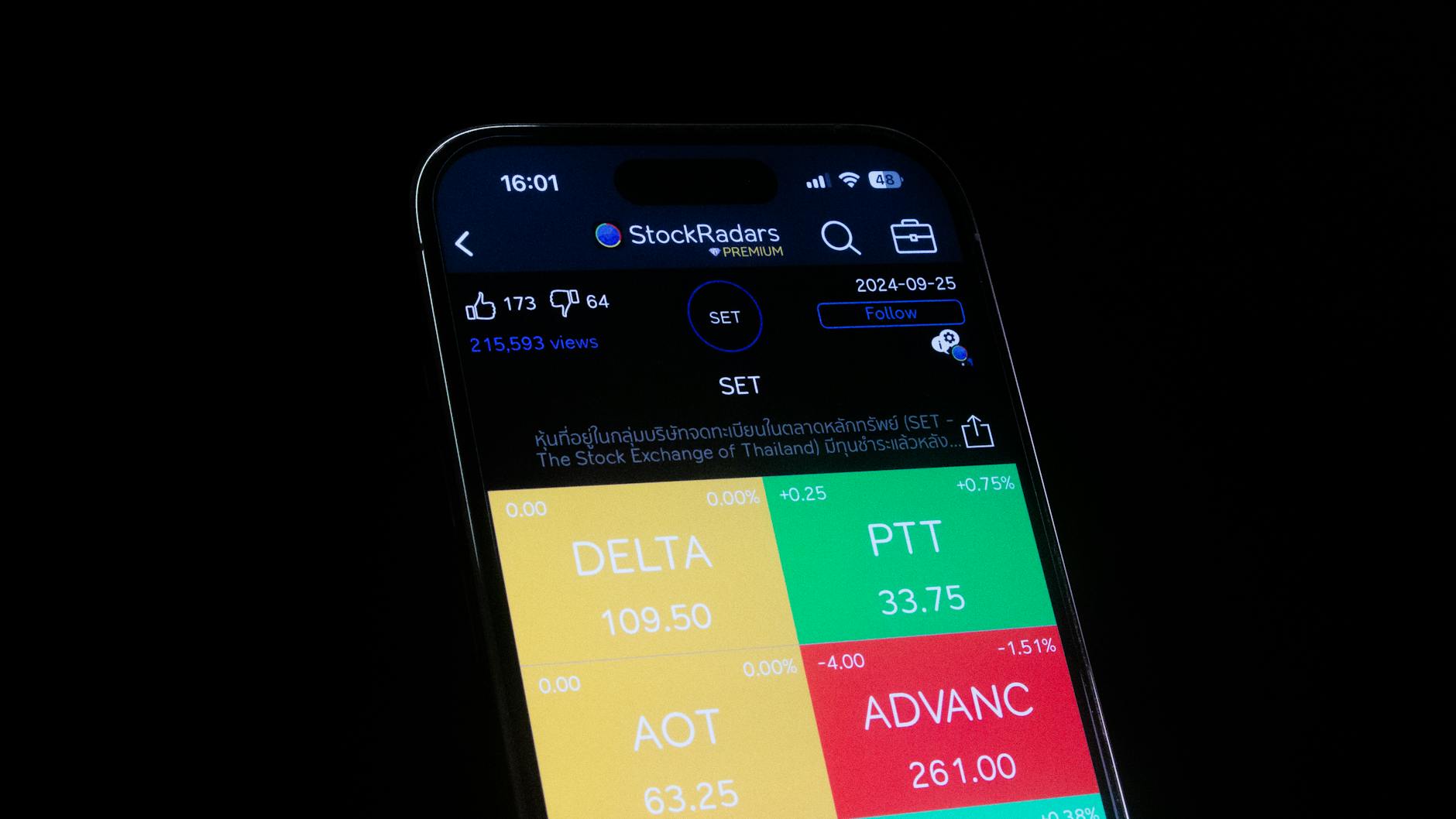
In designing your own prop firm, establishing clear hierarchical levels and communication channels enhances operational clarity. The governance model should aim to balance trader autonomy with oversight, ensuring compliance and risk mitigation while fostering an environment conducive to innovation and profitable trading. Implementing standardized procedures and policies across departments ensures efficient workflows and minimizes oversight gaps, which is crucial for maintaining investor confidence and regulatory compliance.
To optimize performance, consider integrating advanced risk control systems that monitor trading activities in real-time. These systems enable quick response to adverse market movements, preserving capital and reducing potential losses. Additionally, developing a comprehensive internal audit process enhances transparency and accountability, vital factors in maintaining trust with stakeholders and clients.
Legal and Regulatory Considerations
Recognizing the importance of regulatory compliance, setting up your prop firm involves adhering to established financial standards and regulations specific to your jurisdiction. This often requires registration with relevant financial authorities, obtaining necessary licenses, and establishing strict internal controls to prevent misconduct. Proper documentation of ownership structures, operational policies, and trading activities fosters transparency and prepares your firm for audits or inspections.

Engaging legal advisors early in the process helps navigate complex compliance obligations and ensures that your business structure aligns with local laws. Drafting clear contractual agreements with traders, investors, and service providers reduces potential disputes and clarifies operational responsibilities. Furthermore, implementing Know Your Customer (KYC) and Anti-Money Laundering (AML) procedures enhances due diligence processes, safeguarding against illicit activities and reinforcing your firm’s reputation.
Developing a Business Plan for Your Prop Firm
A comprehensive business plan serves as the cornerstone for your prop trading enterprise. It should outline your firm’s mission, strategic objectives, target markets, competitive advantages, and operational roadmap. Key components include detailed revenue models, expense forecasts, risk management protocols, and growth strategies.
Your plan must also identify potential challenges and outline contingency measures. Incorporating market research and scenario analyses enables you to anticipate industry shifts and adapt your strategies accordingly. Clear milestones and KPIs help monitor progress and ensure alignment with your overall vision.
Securing Capital and Funding
Funding your prop trading firm requires a strategic approach to attract investors or allocate personal capital efficiently. Presenting a detailed investment proposal highlighting your business plan, projected returns, and risk mitigation strategies increases credibility with potential financiers. Some firms opt for seed funding from angel investors, venture capital, or strategic partners who share a vested interest in growth.

Alternatives include establishing a partnership model where traders contribute capital in exchange for a share of profits or utilizing retained earnings to scale operations gradually. Ensuring sufficient liquidity supports trading activities and provides buffer against market volatility. Maintaining transparent financial records and conducting regular audits reinforce investor confidence and facilitate future fundraising efforts.
Setting Up Infrastructure and Technology
An efficient proprietary trading environment depends heavily on the quality of its technological infrastructure. The core must include state-of-the-art trading platforms, data feeds, and risk management tools designed to facilitate rapid decision-making and execution. High-performance hardware, backed by resilient backup systems, safeguards against data loss and minimizes downtime during critical trading periods.

Cybersecurity measures are integral to protecting sensitive information and proprietary algorithms. Implement multi-layered security protocols, including encrypted communication channels and intrusion detection systems. Remote access solutions foster flexibility, enabling traders and managers to monitor market conditions and execute trades securely from various locations.
Consistent upgrades and assessments of your technological ecosystem are vital to stay ahead of market developments and security threats. Integrating automation and algorithmic trading capabilities also helps capitalize on market opportunities and enhances trading speed and precision.
Developing a Scalable Operational Model for Your Prop Firm
Building a sustainable and expanding prop trading enterprise requires meticulous planning for operational efficiency and scalability. Establishing clear workflows, robust risk management protocols, and strategic growth initiatives are essential pillars to support long-term success.
Implementing Effective Risk Management Strategies
Risk management is the backbone of any prop trading operation. Designing comprehensive policies that include position limits, leverage controls, and real-time monitoring systems will help mitigate potential losses. Incorporate advanced analytics and automated alerts to detect abnormal trading patterns or market anomalies promptly.
Regular review and updating of risk policies ensure they remain aligned with evolving market conditions and technological capabilities. Developing a culture of accountability and continuous training ensures that traders are well-versed in risk protocols, fostering a disciplined trading environment.
Optimizing Operational Workflow and Infrastructure
Streamlined processes for trade execution, compliance, reporting, and dispute resolution improve efficiency. Automating routine tasks reduces human error and allows traders to focus on strategic decision-making. Implement integrated software solutions that facilitate seamless communication across departments and provide real-time data insights.
Investing in scalable infrastructure, including cloud-based storage solutions and flexible hardware setups, allows your prop firm to adapt quickly to increased trading volumes and expanding team sizes. Establishing standardized procedures and documentation practices supports smooth onboarding of new traders and staff, ensuring consistency across operations.
Planning for Growth and Expansion
A clear roadmap for expansion considers market opportunities, operational capacity, and resource allocation. Diversify trading strategies to access a broader range of assets or markets, thus creating additional revenue streams. Form strategic partnerships or collaborations that can enhance your firm's technological edge or market reach.
Monitor key performance indicators (KPIs) such as profitability rates, trader performance, and risk-adjusted returns to inform scaling decisions. Regularly engage with industry experts or advisory teams to refine your growth strategy and incorporate emerging best practices.
Maintaining Compliance and Ethical Standards
Remaining committed to upholding high standards of compliance and ethical conduct sustains your firm's reputation and operational stability. Conduct routine audits and updates to your compliance protocols in line with industry developments. Foster an organizational culture that values transparency and integrity, encouraging traders and staff to adhere strictly to established guidelines.
Leveraging Data Analytics for Continuous Improvement
Utilize comprehensive data collection and analysis tools to gain insights into trading performance, market trends, and operational efficiencies. Data-driven decision-making enables proactive adjustments, minimizes risks, and maximizes profitability. Developing predictive models and scenario analyses offers foresight into potential challenges and opportunities.