Understanding the Concept of a Trading Company
An open trading company, often referred to as a proprietary trading firm or prop shop, serves as a foundation for traders to execute financial transactions on behalf of the firm itself. Unlike traditional brokerage services where clients place trades, a prop trading company invests its own capital, allowing professional traders to deploy strategies aimed at generating profit. These firms play a crucial role in financial markets by providing liquidity, facilitating price discovery, and fostering innovation within trading methodologies.
The primary goal of a trading company is to leverage advanced trading models and technology to maximize returns. It operates under various trading models, including discretionary trading, systematic trading, or hybrid approaches that combine automated systems with human judgment. Prop firms often specialize in specific asset classes such as equities, derivatives, forex, or commodities, aligning their expertise with market opportunities.
The Industry Role of a Trading Company
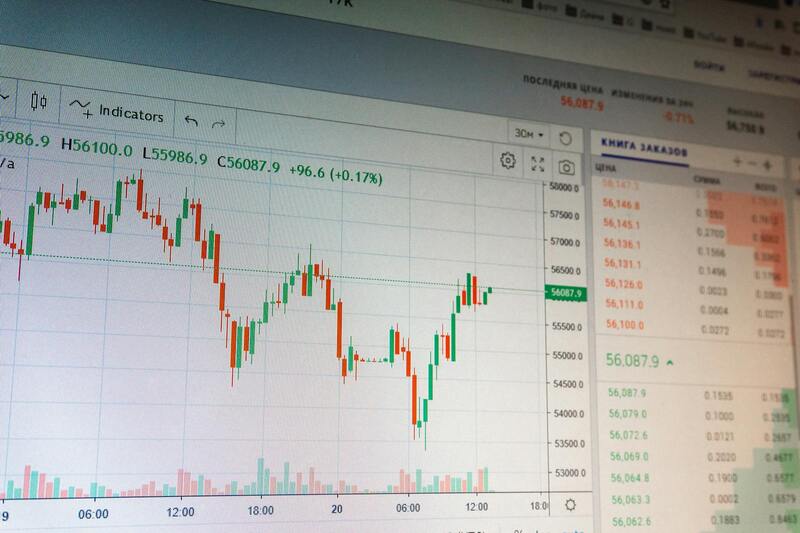
Within the financial ecosystem, open trading companies contribute significantly by enhancing market liquidity and efficiency. They serve as vital participants during high volatility periods, often executing large volume trades that can influence market movements. These firms also foster innovation through the development of sophisticated trading algorithms, which are continuously refined to adapt to dynamic market conditions. As part of their operational model, trading companies often create training programs, develop proprietary software, and implement risk management protocols to safeguard their assets while seeking sustained profitability.
Trading Models Employed by Open Trading Companies
- Discretionary Trading: Traders rely on market analysis, intuition, and experience to execute trades based on current market circumstances.
- Systematic Trading: Use of algorithms and automated systems to identify trading opportunities based on predefined parameters and historical data.
- Hybrid Trading: A combination of human oversight with automated trading, allowing flexibility and strategic adjustments.
These models require a comprehensive understanding of financial markets, technological prowess, and disciplined execution. The aim is to capitalize on market inefficiencies, trends, and patterns while managing the inherent risks associated with trading activities.
Understanding the Concept of a Trading Company
Open trading companies operate as essential components within the financial markets, executing trades on behalf of clients or for their own accounts. Their primary function involves leveraging market insights, technological tools, and strategic methods to generate profit while contributing to the overall liquidity and efficiency of trading venues.
These entities utilize a blend of advanced infrastructure and disciplined processes to navigate the complexities of market dynamics. They often engage in high-frequency trading, where rapid data analysis and execution are vital. Their operations are supported by sophisticated software platforms, real-time data feeds, and robust hardware setups designed to handle vast throughput with minimal latency.

Within their operational scope, open trading firms devise strategies based on quantitative analysis, market sentiment, or a combination of both. They employ various trading models to optimize performance, including discretionary methods driven by experienced traders, fully automated systematic strategies, or hybrid approaches that integrate human judgment with algorithmic execution.
Core Trading Approaches in Open Trading Firms
- Discretionary Trading: Relies on traders’ intuition, experience, and market analysis to make trading decisions in real-time, allowing flexibility to adapt quickly to changing conditions.
- Systematic Trading: Utilizes mathematical models and algorithms to automate decision-making processes, often backtested across historical data to refine performance and reduce emotional bias.
- Hybrid Trading: Combines human oversight with automated systems, providing strategic adjustments and oversight to mitigate risks inherent in purely automated models.
The integration of these approaches requires a deep understanding of market mechanics, technological expertise, and meticulous risk management. The goal is to capitalize on transient inefficiencies and persistent trends, capitalizing on opportunities while minimizing potential losses through rigorous controls.
Official Methods for Establishing a Trading Business
Creating a reputable open trading company requires adherence to established procedures that focus on transparency, operational efficiency, and strategic planning. Settling on a robust business structure forms the foundation, often involving registration processes that detail the company's legal identity and operational scope. This involves registering the business with appropriate authorities, obtaining necessary licenses, and ensuring compliance with industry standards. Utilizing verified channels for business registration guarantees that the trading firm operates within accepted frameworks, fostering trust among clients and partners alike.
Once the business structure is established, securing proper documentation is essential. This includes obtaining trading licenses, permits to operate financial instruments, and, where applicable, adhering to standards set by financial oversight agencies. Documents such as incorporation certificates, tax IDs, and compliance credentials form part of the company's official profile, ensuring legitimacy in its trading pursuits. Following these procedures through authorized channels not only demonstrates credibility but also promotes a framework for sustainable growth and risk management.
Utilizing Verified Data and Infrastructure
Operational excellence in open trading firms hinges on integrating high-quality, accurate data feeds and resilient technological infrastructure. Procurement of real-time market data services from reputable providers enables firms to observe market movements with precision, facilitating timely decision-making. Access to comprehensive market data—covering equities, derivatives, foreign exchange, and commodities—arms traders with the insights needed to craft informed strategies.
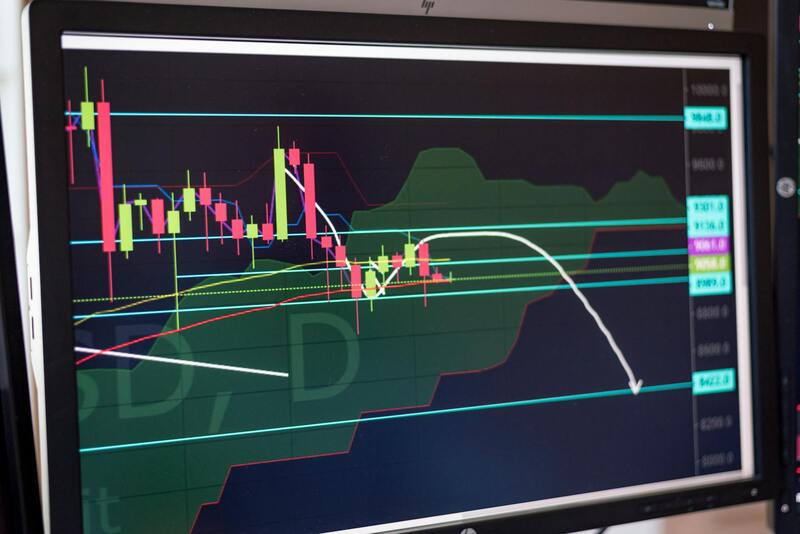
Deploying banking-grade hardware, high-speed internet connections, and sophisticated trading software further solidifies operational reliability. Ensuring that these systems are compliant with industry standards, regularly maintained, and monitored reduces downtime and technical risks. With consistent updates and security protocols in place, firms can safeguard sensitive data and maintain system integrity, translating into seamless execution of trading strategies based purely on rigorously verified data.
Engaging in Strategic and Responsible Business Planning
Constructing a meticulous business plan encompasses defining target markets, establishing clear objectives, and setting performance benchmarks. It includes outlining risk management policies—such as position limits, stop-loss thresholds, and diversification strategies—that mitigate exposure to adverse market shifts. Integrating compliance measures from the outset ensures that every facet of the trading operation adheres to best practices and industry standards, promoting long-term stability and credibility.

Securing funding through legitimate financial channels—such as banks, investment firms, or venture capital entities—provides the necessary capital for operational expansion. Transparent financial practices, including detailed reporting and audit trails, reinforce trust and facilitate ongoing support from investors and partners. An explicit focus on responsible capital management enables the firm to sustain growth, invest in infrastructure upgrades, and adapt to changing market dynamics effectively.
Implementing a Step-by-Step Approach for Firm Establishment
- Conduct comprehensive market research to identify optimal niches and trading instruments.
- Create detailed documentation of strategic goals, risk management protocols, and operational procedures.
- Register the business formally through authorized agencies, ensuring all licensing and certification requirements are fulfilled.
- Invest in high-quality, verified data feeds and secure trading infrastructure to support real-time decision-making.
- Establish a transparent financial management system, including funding sourcing and continuous compliance checks.
- Hire personnel with proven expertise in technology, trading, and risk management, fostering a skilled operational team.
- Develop and test trading strategies extensively before full-scale deployment, ensuring they meet performance and risk standards.
- Begin trading operations cautiously, monitor performance meticulously, and refine strategies based on empirical results.
- Maintain rigorous documentation and adhere to industry standards to bolster credibility and stakeholder confidence.
Business Planning and Structuring
Establishing an open trading company necessitates a meticulous approach to business planning and organizational structuring. It begins with a clear definition of the company’s mission, core values, and strategic objectives, which set the foundation for operational success. Crafting a robust business plan involves detailed financial projections, delineation of target markets, and comprehensive risk management frameworks. This plan should include specific operational milestones and performance indicators to track growth and ensure alignment with business goals.
Choosing the right legal structure is a critical component, as it influences regulatory obligations, liability exposure, and tax considerations. Common options include corporations, limited liability companies (LLCs), or partnerships, each offering different advantages in terms of liability protection and operational flexibility. The decision should be driven by an assessment of long-term business ambitions, funding needs, and management preferences.
Operational structure development involves delineating roles and responsibilities within the firm, establishing clear reporting lines, and implementing effective governance protocols. Critical areas such as compliance, technology management, trade execution, and client relations require dedicated teams or individuals with relevant expertise. This structured approach enhances internal efficiency, mitigates potential risks, and sustains a professional operational environment.
Furthermore, developing comprehensive internal policies and standard operating procedures (SOPs) helps ensure consistency and quality control across all functions. These policies cover areas such as data security, order processing, client onboarding, and dispute resolution. An emphasis on transparency and accountability fosters trust among clients, partners, and regulatory bodies.

Securing appropriate funding streams and establishing sound financial practices is equally vital. This involves setting up reliable banking relationships, designing efficient capital management systems, and ensuring ample liquidity to support trading activities. Transparency in financial reporting and documentation not only complies with industry standards but also builds credibility with investors and stakeholders.
Finally, the selection of key personnel—such as traders, analysts, compliance officers, and IT specialists—must be aligned with the firm’s strategic objectives. Recruiting experienced professionals with proven expertise in financial markets helps improve trading performance and ensures robust adherence to operational protocols. Ongoing training programs further equip staff to adapt to evolving market conditions and technological developments.
Setting Up Infrastructure and Technology for an Open Trading Company
Advanced trading infrastructure is fundamental to operational efficiency and competitiveness in the financial markets. Establishing a robust technological backbone involves selecting reliable trading platforms, ensuring high-speed and secure internet connections, and integrating comprehensive data feeds. These elements enable real-time market analysis, faster order execution, and improved decision-making processes, which are crucial for maintaining an edge in dynamic trading environments.
Furthermore, secure and scalable data storage solutions are essential for maintaining historical trading data, client information, and compliance documentation. These systems must be capable of handling increasing volumes of data without sacrificing performance, ensuring that the firm can grow seamlessly over time.

Implementing reliable cybersecurity measures protects sensitive financial data and prevents unauthorized access. This includes deploying firewalls, encryption, multi-factor authentication, and continuous monitoring for suspicious activities. Maintaining a secure environment safeguards client trust and ensures uninterrupted trading operations.
Operational software should be integrated with risk management tools, compliance monitoring systems, and automatic order routing to streamline workflows and enhance transparency. Automation reduces manual errors and accelerates trading processes, allowing the firm to respond swiftly to market changes.
Staffing Your Trading Firm with Skilled Professionals
Assembling a competent team is crucial for sustainable growth. Key personnel include traders, technical analysts, compliance officers, IT specialists, and client support staff. Each role demands specific technical expertise and industry knowledge that contribute to the firm’s overall performance.
Ongoing training ensures personnel stay updated on the latest market trends, trading techniques, and compliance standards. Regular professional development sessions and certifications bolster staff capabilities, fostering a culture of continuous improvement and operational excellence.
Investing in a collaborative work environment and clear communication channels enhances team efficiency. Utilizing project management and collaboration tools can facilitate seamless coordination among departments, leading to quicker decision-making and more agile responses to market fluctuations.
Ensuring Regulatory Compliance and Ethical Standards
While establishing infrastructure and staffing, maintaining adherence to regulatory frameworks and industry best practices is vital. This involves implementing compliance programs that monitor trading activities, maintain rigorous record-keeping, and ensure transparent reporting. Regular internal audits and risk assessments help identify and rectify potential issues before they become problematic.
Developing a comprehensive compliance manual that outlines policies, procedures, and responsibilities ensures all team members understand their roles in upholding standards. These efforts not only foster integrity within the firm but also positively influence client confidence and market reputation.
Developing Trading Strategies and Risk Management
Implementing effective trading strategies is fundamental to the success of an open trading company. These strategies must be tailored to the firm’s target markets, risk appetite, and operational strengths. A data-driven approach—leveraging quantitative analysis, technical indicators, and market sentiment—allows traders to identify profitable opportunities while minimizing exposure to adverse movements.
Backtesting trading strategies against historical data helps validate their potential effectiveness before real capital is at risk. Continuous refinement of these strategies, informed by market conditions and emerging trends, ensures the firm stays competitive in a rapidly evolving trading environment. Employing a diversified approach across asset classes can mitigate risk and enhance overall portfolio stability.

Risk management remains at the core of sustainable trading operations. Establishing strict risk parameters, such as position size limits and stop-loss orders, protects the firm from significant losses during volatile periods. Advanced risk assessment tools, like Value at Risk (VaR) models and stress testing, forecast potential losses under various market scenarios. These methods enable proactive adjustments to trading positions, aligning with the firm's overall risk appetite.
A comprehensive risk management framework should encompass:
- Position Sizing: Determining appropriate trade sizes based on account equity and risk tolerance.
- Stop-Loss and Take-Profit Orders: Predefined exit points to control losses and lock in gains.
- Diversification: Spreading trades across different instruments and sectors to reduce exposure.
- Monitoring and Reporting: Continuous oversight of trading activities ensures adherence to established risk limits and allows prompt response to market shifts.
Additionally, fostering a risk-aware culture among trading personnel encourages disciplined execution, reduces impulsive decisions, and supports the firm's long-term stability. Regular review sessions and real-time analytics provide traders with insights needed to adapt strategies promptly, maintaining a resilient and adaptive trading environment.
Developing a Trading Strategy and Implementing Risk Management Protocols
For a trading company to sustain stability and profitability, establishing well-defined trading strategies coupled with comprehensive risk management frameworks is essential. Effective strategies are tailored to the firm's targeted asset classes, trading styles, and market conditions, enabling consistent performance and adaptability to market fluctuations.
Strategic development should encompass a detailed analysis of market trends, economic indicators, and technical signals. Quantitative models, such as algorithmic trading systems, can optimize execution speed and precision, especially in high-frequency trading environments. Simultaneously, manual discretionary trading should be underpinned by disciplined decision-making processes rooted in fundamental analysis and risk considerations.
Risk management, as a core component, must be integrated into the operational workflow, focusing on protecting the firm's capital against unforeseen market movements. This involves setting predefined risk limits per trade and across the portfolio, employing tools such as stop-loss and take-profit orders to automate exits and contain losses. Implementing position size constraints ensures that no single trade or trading day can jeopardize the firm's overall stability.

Advanced risk assessment techniques, such as Value at Risk (VaR) calculations and stress testing, model potential losses under extreme market scenarios. These methods facilitate proactive adjustments to trading positions, avoiding catastrophic setbacks. Diversification tactics distribute exposure across various asset classes, sectors, and geographic regions, reducing dependence on a single market segment and smoothing overall performance.
The operational framework should include continuous monitoring of trading activities, with real-time analytics and reporting tools that flag deviations from established risk parameters. Regular review sessions help recalibrate strategies based on market dynamics and trader performance, ensuring the firm remains resilient amidst volatility.
Documentation and Compliance
Maintaining meticulous records of all trading activities, risk assessments, and decision-making processes is crucial for transparency and internal governance. Implementing data security measures safeguards sensitive information, promoting trust within the team and among stakeholders.
Technological Infrastructure Supporting Risk Management
Deploying reliable trading platforms equipped with integrated risk controls allows for swift execution of contingency protocols. Automated alerts notify risk managers of breaches in parameters, enabling immediate intervention. Leveraging cloud-based solutions facilitates data analysis scalability, while ensuring redundancy and uptime for critical trading systems.
By prioritizing strategic precision and rigorous risk management, a trading company can navigate volatile markets confidently, avoiding unnecessary losses while capitalizing on profitable opportunities.
Effective Strategies for Scaling Your Open Trading Company
As your open trading company begins to establish itself within the financial markets, focusing on sustainable growth is essential for long-term success. This process involves not only expanding your trading operations but also refining operational structures, leveraging technological innovations, and maintaining rigorous risk controls. Understanding and implementing these practices will ensure your company remains competitive and resilient amid market fluctuations.
Expanding Your Asset Portfolio and Market Reach
To foster growth, consider diversifying your trading portfolio across multiple asset classes such as equities, commodities, forex, and derivatives. This diversification mitigates risks associated with overexposure to particular sectors or markets, providing stability even during volatile periods. Expanding your geographic footprint can also unlock new trading opportunities, especially in emerging markets where growth potential is significant.

Investing in Advanced Technology and Infrastructure
As your trading activities expand, it becomes increasingly important to employ cutting-edge technological solutions that support your operational needs. High-frequency trading platforms, algorithmic trading systems, and automated risk management tools enable faster execution, more accurate analysis, and real-time monitoring of trades. Cloud-based infrastructure offers scalability, data redundancy, and enhanced security, ensuring seamless operational continuity even as your trading volume increases.
Implementing comprehensive data analytics can also uncover market trends and inform strategy adjustments. Leveraging machine learning algorithms may enhance predictive capabilities, allowing your firm to capitalize on emerging opportunities more efficiently.
Strengthening Risk Management and Compliance Frameworks
Continual refinement of risk management protocols is vital for safeguarding your firm’s capital and reputation. This involves setting clear risk parameters, regular stress testing, and deploying automated alerts for anomalies or breaches. As operations scale, adopting sophisticated risk modeling and scenario analysis tools can anticipate potential setbacks and enable preemptive measures.
Compliance frameworks should evolve alongside your growth, ensuring adherence to regulatory standards across jurisdictions. Maintaining detailed records of trading activities, risk assessments, and internal audits supports transparency and facilitates stakeholder confidence.
Nurturing a Skilled Team
A competitive open trading company relies heavily on expertise and teamwork. As your enterprise grows, recruiting experienced traders, analysts, and support staff becomes increasingly important. Developing ongoing training programs ensures your team stays abreast of market developments and technological advancements. Effective operational management and clear communication foster a cohesive environment where strategic objectives align with daily activities.
Implementing Scalable Business Processes
Scaling operations calls for well-defined workflows and automation to reduce manual intervention and minimize errors. Establishing standardized procedures for trade execution, risk assessment, compliance checks, and reporting enhances efficiency and consistency. Regular process audits identify areas for improvement, supporting continuous optimization.
Monitoring Key Performance Indicators (KPIs)
Tracking relevant KPIs such as profit margins, trade accuracy, risk exposure, and operational uptime offers insights into your company’s health. Data-driven decision making helps identify growth opportunities, optimize resource allocation, and preempt potential issues before they escalate.

Building Strategic Partnerships and Networks
Forming alliances with liquidity providers, technology vendors, and other market participants can enhance your trading capacity and resource access. Participating in industry forums and conferences also fosters knowledge sharing, keeping your firm aligned with market best practices and innovations.
Focusing on Long-term Value Creation
Sustainable growth depends on a disciplined approach that balances short-term gains with long-term strategic planning. Prioritizing technological upgrades, talent development, and risk controls ensures your trading company remains adaptive and resilient through changing market conditions. Continual evaluation of your growth trajectory, supported by comprehensive data analysis, keeps your firm aligned with industry evolutions and investor expectations.