Understanding Proprietary Trading and Industry Overview
Proprietary trading, often referred to as prop trading, involves a financial firm trading stocks, bonds, commodities, derivatives, or other financial instruments using its own capital with the aim of generating profits. Unlike traditional investment firms that manage client funds, prop trading firms focus solely on their own trading strategies and risk management, often deploying advanced technology, quantitative analysis, and strategic market insights to capitalize on market movements.
In the current financial landscape, the role of proprietary trading firms has become increasingly significant. They serve as key liquidity providers, enabling smoother market operations and contributing to price discovery. Many of the world's most influential trading firms have built robust operations around proprietary trading, leveraging cutting-edge tools and data-driven strategies to gain competitive advantages.

Starting a proprietary trading firm offers numerous opportunities for aspiring traders and entrepreneurs. With the right approach, it is possible to establish an entity that not only generates consistent profits but also influences market dynamics. Key reasons to consider launching a proprietary trading firm include the potential for high profit margins, the ability to develop and execute innovative trading strategies, and the opportunity to build a brand within the financial trading ecosystem. Additionally, a well-structured prop trading operation can provide a platform for leveraging advanced technology and data analytics, making it an attractive venture for those passionate about markets and technology.
However, establishing a successful prop trading firm requires a thorough understanding of industry practices, disciplined planning, adequate access to capital, and a strategic approach to operational setup. This initial phase involves defining a clear mission, assessing market opportunities, and understanding regulatory frameworks, all of which lay the foundation for long-term success.
Planning and Defining Your Trading Firm’s Structure
When establishing a proprietary trading firm, meticulous planning of its structural framework is essential. This phase involves selecting the appropriate legal entity, designing the operational model, and setting clear, measurable objectives that guide the firm's growth trajectory. A well-defined structure not only facilitates efficient management but also aligns with industry standards and best practices, essential for building credibility and operational consistency.
Choosing the Legal Entity
The foundation of your trading firm begins with selecting the most suitable legal structure. Common options include limited liability companies (LLCs), corporations, or partnerships. Each legal form offers distinct advantages, such as liability protection, tax implications, and ease of management. The choice depends on factors like the desired level of personal liability protection, capital raising strategies, and future expansion plans. Engaging legal and financial advisors can provide clarity on jurisdiction-specific considerations and regulatory nuances, ensuring the structure supports both compliance and operational flexibility.

Defining the Business Model
Establishing the core trading methodology and revenue-generating mechanisms is a critical component. Your firm must decide whether to focus on high-frequency trading, statistical arbitrage, market-making, or directional trading strategies. These choices influence technology needs, risk management approaches, and staffing requirements. Additionally, clarifying how the firm will fund trading activities—whether through internal capital, outside investors, or a hybrid approach—guides operational planning and resource allocation.
Setting Initial Goals and Performance Metrics
Clear goal setting helps steer the firm’s development and provides benchmarks for success. Objectives should encompass profit targets, risk appetite, trading volume, and technological milestones. Defining specific Key Performance Indicators (KPIs) enables continuous performance assessment and strategic adjustments, fostering a disciplined trading environment and ensuring alignment with long-term vision.
Operational Workflow and Infrastructure Planning
Designing the operational framework involves mapping out trading workflows, data management systems, and communication protocols. Early planning should include considerations for back-office processes such as compliance tracking, record keeping, and reporting requirements. This comprehensive blueprint ensures efficient day-to-day operations and lays the groundwork for seamless scalability.
Establishing Internal Policies and Protocols
Internal policies covering trading conduct, risk management, and ethical guidelines set the tone for organizational culture. These policies promote consistency, transparency, and accountability across all activities, which is vital for fostering trust among stakeholders and clients. Additionally, implementing robust internal controls reduces operational risks and aligns the firm with industry best practices.
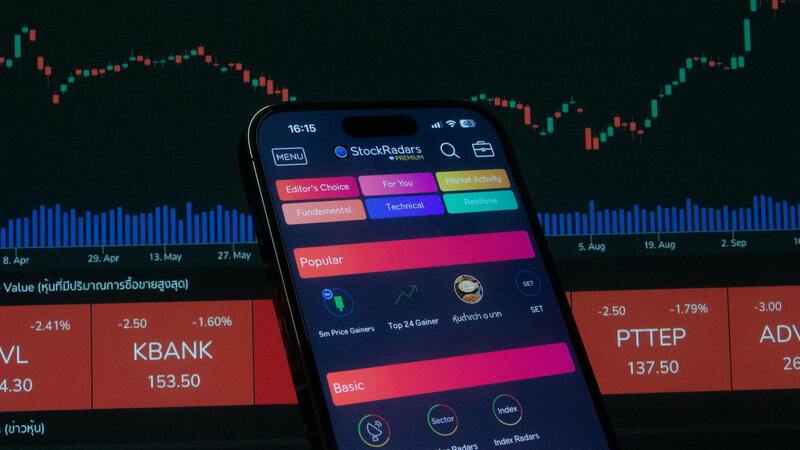
Building a resilient structure depends on meticulous planning that encompasses legal, operational, and strategic dimensions. Starting with a solid foundation in these areas paves the way for sustainable growth and a competitive edge in the dynamic landscape of proprietary trading firms.
Establishing Reliable Funding Channels and Capital Management
Securing sufficient capital to support proprietary trading operations is fundamental for a firm’s success. This involves not only raising initial funds but also ensuring ongoing liquidity management to sustain trading activities and adapt to market fluctuations. One of the most effective strategies is cultivating relationships with strategic investors and institutional backers who understand the firm’s vision and risk appetite. These relationships can often be fostered through detailed pitch decks, demonstrating a clear understanding of market strategies and risk controls.
When approaching potential funding sources, transparency regarding operational plans and risk management practices is crucial. Providing comprehensive financial forecasts, trading models, and risk mitigation strategies can build confidence and facilitate the securing of capital commitments. It’s equally important to implement strict capital allocation protocols, ensuring that funds are effectively diversified across different trading strategies and asset classes to optimize risk-adjusted returns.
Maintaining a robust financial management system allows for clear tracking of capital flow, profit and loss statements, and risk exposure. This financial discipline supports strategic decision-making, ensures compliance with internal policies, and sustains the firm’s operational momentum. Additionally, exploring multiple funding avenues, such as private equity, venture capital, and strategic partnerships, can diversify the firm’s income streams and provide resilience against market volatility.
Implementing Cutting-Edge Trading Technology and Infrastructure
Equipping your trading firm with state-of-the-art technology is indispensable for competitive advantage. High-performance trading platforms, advanced data analytics, and real-time market feeds enable traders to execute strategies with precision and speed. Establishing a robust IT infrastructure, including low-latency servers and secure data storage solutions, reduces operational risks and enhances trading efficiency.
The selection of trading software should align with your firm’s specific strategies, whether high-frequency trading, algorithmic trading, or discretionary trading. Integration of risk management tools within these systems allows for automated detection and response to market anomalies or adverse events. Moreover, investing in cybersecurity measures protects sensitive data, client information, and trading algorithms against cyber threats.
Regularly updating and maintaining technological infrastructure ensures adaptability to evolving market conditions and technological innovations. This proactive approach minimizes downtime and ensures swift troubleshooting, which are crucial to maintaining a competitive edge in fast-moving markets.
Comprehensive Registration Processes and Regulatory Adherence
Launching a proprietary trading firm requires meticulous registration and adherence to established compliance protocols. This process includes registering the business name with appropriate governmental agencies, obtaining necessary licenses, and fulfilling industry-specific requirements. Conducting thorough due diligence on regional regulations helps avoid future legal complications and ensures smooth operations.
Developing internal compliance programs aligned with regulatory standards establishes clear guidelines for trading activities, reporting, and record-keeping. Regular audits and staff training on compliance issues foster a culture of accountability and integrity. By proactively managing regulatory relationships and staying informed about industry changes, firms can quickly adapt to new requirements and maintain operational stability.
Implementing comprehensive Know Your Customer (KYC) and Anti-Money Laundering (AML) procedures further supports compliance efforts, especially when onboarding institutional clients or investors. Proper legal structuring, such as establishing an LLC or corporation, provides clarity in ownership and liability, which is essential for operational transparency.
Building a Competent and Adaptive Trading Team
The backbone of a successful proprietary trading firm is its team. Assembling traders who possess strong analytical skills, market intuition, and disciplined risk management is key. Conducting thorough interviews, testing, and assessment programs helps identify candidates capable of executing your firm’s trading strategies effectively.
In addition to traders, recruiting skilled analysts, risk managers, compliance officers, and operational staff ensures a comprehensive approach to trading activities. Continuous education and training programs keep the team updated on market developments, technological upgrades, and regulatory changes.
Fostering a collaborative culture encourages knowledge sharing and innovation while promoting accountability. Developing clear performance metrics aligned with your firm’s KPIs helps evaluate individual and team contributions, supporting targeted coaching and development initiatives.
Acquiring Trading Technology and Infrastructure
Establishing a reliable and advanced technological environment is fundamental for the success of a proprietary trading firm. This involves the selection and deployment of trading platforms that support the types of assets and strategies the firm intends to pursue. Many firms opt for high-frequency trading setups, which require ultra-low latency connections and specialized hardware configurations to execute trades swiftly.
Investing in bespoke trading tools can provide a competitive edge. Custom algorithms, proprietary analysis software, and real-time data feeds enable traders to identify market opportunities more efficiently. These tools should integrate seamlessly with trading infrastructure, allowing for fast execution, quick adaptation to market changes, and effective risk management.

Establishing a robust technological infrastructure goes beyond trading platforms. It encompasses data storage solutions, network security protocols, and backup systems to safeguard against data loss and cyber threats. Redundant servers, encrypted communications, and comprehensive access controls are critical components to maintain operational stability and data integrity.
Furthermore, integrating real-time risk monitoring systems allows traders and risk managers to track positions, P&L, and exposure continuously. Automated alerts for deviations from predefined risk thresholds can help prevent catastrophic losses and ensure adherence to risk policies.
The choice between building in-house solutions versus utilizing established third-party platforms depends on the firm's specific needs, budget, and technical expertise. Many successful firms develop in-house proprietary tools tailored precisely to their strategies, offering greater flexibility and competitive differentiation. Meanwhile, leveraging existing platforms can accelerate the launch phase, especially for firms with limited initial resources.
Continuous technical upgrades are essential to keep pace with the rapidly evolving trading landscape. This includes adopting new data analytics techniques, improving execution algorithms, and staying compatible with the latest hardware and network technologies. Regular maintenance, testing, and security audits are integral to maintaining a high-performance and resilient technological environment.

Establishing Robust Systems for Trade Execution and Data Management
Once the foundational aspects of capital, technology, and legal compliance are in place, the focus shifts to implementing advanced trade execution systems and data management protocols. Leveraging high-performance execution algorithms ensures trades are executed efficiently, minimizing slippage and optimizing order fills. Integration with multiple liquidity providers and exchanges enhances access to broader markets and fosters better pricing opportunities.
A reliable data management infrastructure is equally vital. This involves setting up data warehouses or data lakes to store historical and real-time trading data systematically. Sophisticated data analytics enable firms to derive actionable insights, identify patterns, and refine trading strategies continuously. Ensuring seamless synchronization between data sources and trading platforms safeguards data integrity and operational flow.
Furthermore, deploying real-time monitoring dashboards provides traders and risk managers with immediate visibility into active positions, profit and loss metrics, and exposure levels. Automated alert systems notify appropriate personnel about thresholds breaches or unusual activity, facilitating prompt intervention. These measures collectively bolster decision-making accuracy and operational transparency.

Launching Operations and Managing Risks
Once the foundational elements of your proprietary trading firm are in place, the next crucial phase involves launching your trading operations with a strategic approach to risk management. This phase demands disciplined execution, robust oversight, and adaptive strategies to navigate the dynamic financial markets.
Implementing Trading Protocols and Procedures
Detailed trading protocols are essential for ensuring consistency and discipline across your trading activities. This includes establishing clear guidelines for trade entry and exit criteria, position sizing, and risk controls. Automated trading systems should be configured with pre-defined parameters to minimize emotional decision-making and improve response times under volatile conditions.
Regular training sessions and updates for your trading team help reinforce protocol adherence, promoting a culture of accountability and precision. Documenting all procedures ensures that operational standards are maintained and able to withstand scrutiny or audits.
Risk Management Strategies
Effective risk management is the cornerstone of a sustainable prop trading operation. Techniques such as stop-loss orders, daily loss limits, and margin controls are standard practices. Utilizing real-time analytics and market monitoring tools helps identify emerging risks before they escalate.
Quantitative models and stress testing are invaluable for simulating adverse scenarios, allowing your team to prepare contingency plans. Margin usage should be carefully monitored, and exposure should be diversified across instruments and markets to prevent over-concentration.
Trade Surveillance and Compliance
Implementing continuous trade surveillance guarantees adherence to internal risk policies and external regulations. Automated monitoring systems can detect anomalies, suspicious activity, or violations in real-time, enabling prompt intervention. Maintaining comprehensive audit trails of all trading activity enhances transparency and operational integrity.
Technology and Data Monitoring
Ongoing oversight of trading algorithms and infrastructure helps prevent system malfunctions or latency issues that could lead to unintended losses. Regular performance reviews and system diagnostics ensure that technology remains aligned with trading objectives.

Managing Operational Challenges
Operational risks such as technology failures, human errors, or external shocks require proactive mitigation measures. Establishing comprehensive contingency plans, including emergency shutdown procedures and disaster recovery protocols, preserves business continuity.
Maintaining clear communication channels among traders, analysts, and support staff ensures swift coordination during high-pressure situations. Continuous training in operational best practices minimizes human error and enhances overall resilience.
Monitoring Performance and Adjusting Strategies
Regular review of trading performance metrics allows your firm to evaluate the effectiveness of strategies and risk controls. Data-driven insights enable informed adjustments, fostering a cycle of continuous improvement. Employing advanced analytics and machine learning can aid in detecting patterns, optimizing trade execution, and refining risk models.
By embedding rigorous risk management and operational discipline into your trading practices, your firm can adapt to changing market conditions while safeguarding assets and reputation.
Launching Operations and Managing Risks
Once the foundational elements are in place, transitioning into live trading marks a pivotal phase for your proprietary trading firm. This transition involves meticulous planning to ensure that all systems are optimized for real-time market conditions and that the team is prepared to execute trades with precision. It is essential to establish a comprehensive operational framework that encompasses risk mitigation, performance monitoring, and compliance adherence.
Executing the Transition to Live Trading
Before initiating live trading, it is crucial to conduct extensive testing of trading algorithms and infrastructure under simulated conditions. This process identifies potential issues such as latency problems or system bottlenecks that could impact execution quality. Once testing confirms readiness, a phased approach to deployment allows for monitoring and adjustments, minimizing exposure to unforeseen risks.

During the transition, transparent communication channels between developers, traders, and support staff foster quick decision-making and issue resolution. Regular monitoring and real-time analytics help identify anomalies early, allowing for immediate corrective actions.
Implementing Effective Risk Management Strategies
Risk management remains the backbone of sustainable trading operations. Establishing strict risk controls, such as daily loss limits, position sizing rules, and stop-loss orders, ensures that individual trades and overall exposure remain within acceptable boundaries. Automated risk management tools integrated into trading platforms can enforce these parameters consistently, reducing the chance of human error.
- Utilize real-time risk dashboards to monitor portfolio exposure and trade performance.
- Set predefined contingency plans for extreme market movements or system failures.
- Conduct regular risk assessments to adapt to evolving market conditions.
Optimizing Operational Performance
Continuous evaluation of operational procedures and technological efficiency promotes resilience and agility. Routine audits of infrastructure and technology ensure systems are running at optimal speed and reliability. Staff training focused on operational protocols minimizes human errors, especially during high-volatility periods.

Integrating performance analytics allows for timely insights into trade outcomes and strategy effectiveness. These insights inform strategic adjustments, empowering your team to refine models, improve execution tactics, and effectively manage evolving market risks.
Continuing Risk and Operational Oversight
Persistent vigilance through regular audits, compliance checks, and technology updates ensures your trading firm remains aligned with industry standards. Engaging in industry forums and participating in professional trading communities fosters knowledge sharing and keeps your team informed of emerging best practices.
Final Steps and Long-Term Strategy in Starting a Proprietary Trading Firm
After establishing the foundational elements of your proprietary trading operation, the focus shifts towards sustainable growth and scaling your business effectively. This involves strategic planning, optimizing operational workflows, and leveraging technology to expand trading capacity while maintaining rigorous risk management standards.
Implementing Strategic Growth Initiatives
An essential component for long-term success is the development of strategic initiatives aimed at enhancing trading performance, diversifying asset classes, and entering new markets. These initiatives should be aligned with your firm’s risk appetite and operational capabilities.
- Diversification of Trading Strategies: Expanding into different trading styles such as algorithmic, discretionary, or market-making can help distribute risk and uncover new profit opportunities. Careful backtesting and incremental deployment are critical for integrating new approaches.
- Incorporating Advanced Analytics: Using sophisticated data analysis and machine learning techniques can provide insights into market trends and trading signals, improving decision-making accuracy.
- Expanding Asset Coverage: Venturing into additional asset classes such as commodities, fixed income, or currencies diversifies your portfolio and reduces dependency on a single market segment.
Enhancing Capital Acquisition and Investor Relations
Growing your trading firm often entails raising additional capital either through internal profits or external investment sources. Maintaining transparent communication and demonstrating consistent performance are key to attracting and retaining investors.
- Performance Transparency: Regular reporting of trading results, risk metrics, and strategic updates builds trust and credibility with stakeholders.
- Engagement and Networking: Participating in industry conferences, forums, and professional associations can open avenues for investment partnerships and collaborative opportunities.
- Developing Investment Products: Creating tailored investment products or managed accounts can attract institutional investors seeking diversified exposure.
Leveraging Technology for Scalability
Technological innovation is critical for increasing trading volume and managing complex operations. Investing in scalable infrastructure ensures your firm can handle growth without compromising execution quality or risk controls.
- Cloud-Based Solutions: Migrating to cloud infrastructure offers flexibility, scalability, and cost-efficiency, allowing rapid deployment of new trading algorithms and data analytics tools.
- Automation and Integration: Automating operational processes such as risk assessment, compliance checks, and reporting reduces manual errors and improves efficiency.
- Real-Time Data Integration: Integrating market data feeds and order management systems ensures timely execution and continuous monitoring of trading activities.

Cultivating a Culture of Continuous Improvement
A growth-oriented trading firm fosters an environment of ongoing learning, innovation, and adaptation. Regularly reviewing strategies, technology, and risk management practices ensures resilience amidst fluctuating market conditions.
- Training and Development: Continuous education in trading techniques, technology, and compliance keeps your team proficient and adaptable.
- Performance Monitoring: Implementing benchmarks and key performance indicators (KPIs) helps identify areas for improvement and recognize successes.
- Feedback Loops: Encouraging open communication within the team enables quick identification of issues and collaborative problem-solving.
By systematically applying these practices, your proprietary trading firm can transition from a startup to a prominent industry player, built on robust technical infrastructure, disciplined risk management, and strategic growth initiatives. Long-term success relies heavily on maintaining a competitive edge through innovation, operational excellence, and a resilient organizational culture.