Understanding Proprietary Trading and Prop Firms
Proprietary trading, commonly known as prop trading, involves a financial institution or individual trading financial instruments with the firm's own capital, aiming to generate profits from market movements. Unlike traditional trading, where traders execute transactions on behalf of clients and earn commissions or fees, prop traders operate under the banner of a proprietary trading firm, focusing solely on the firm's resources.
Proprietary trading firms play a significant role in financial markets by providing liquidity, facilitating price discovery, and enabling market efficiency. These firms often employ experienced traders who utilize advanced strategies and tools to capitalize on short-term opportunities across various asset classes, including equities, forex, commodities, and derivatives.

Starting your own prop firm allows you to actively participate in this dynamic environment. It offers the chance to leverage capital efficiently, implement innovative trading strategies, and foster a team-oriented approach to trading success. For aspiring entrepreneurs, establishing a proprietary trading company can be a gateway to financial independence, strategic control, and a visible presence in the trading community.
The Benefits of Establishing Your Own Prop Firm
- Capital Efficiency: You control the trading capital, enabling flexible investment in diverse markets.
- Trading Strategy Implementation: You can develop and execute proprietary strategies without external interference.
- Potential Revenue Streams: Earnings come from trading profits and potentially from fees for trader onboarding or platform usage.
- Market Influence: Your firm can influence market liquidity and pricing through active trading.
- Business Growth Opportunities: Expand by onboarding talented traders and diversifying asset classes.
Building a successful prop trading firm requires careful planning, substantial market understanding, and strategic capital management. It is essential to comprehend not just the trading mechanics but also how to establish a professional, compliant, and scalable operation that can adapt to evolving market conditions.
Researching the Prop Trading Industry
Investigating the prop trading landscape is a fundamental step in establishing a reputable and sustainable firm. It involves analyzing current industry trends, understanding market demand, and identifying effective trading strategies employed by successful firms. To gain comprehensive insights, aspiring founders should review industry reports, attend trading conferences, and participate in relevant seminars and workshops.
Examining competitors within the industry helps to identify gaps in the market and areas where innovation can add value. This includes assessing the types of markets they operate in, their technological infrastructure, risk management practices, and trader onboarding processes. Staying informed about technological advancements such as algorithmic trading tools, data analytics, and real-time execution platforms can significantly enhance decision-making and operational efficiency.

Critical considerations also include regulatory requirements, licensing procedures, and compliance standards that impact operational legality and reputation. While navigating this aspect may seem complex, it is essential to work closely with industry consultants, legal advisors, and compliance specialists who can provide guidance tailored to your specific region and business model.
Moreover, assessing the technological infrastructure—such as trading platforms, data security measures, and risk management systems—ensures your firm can operate efficiently and securely. Exploring different vendor options and scalable solutions is vital to future-proofing your business. Participation in industry forums and professional networks fosters relationships that can support your growth, offering valuable insights and potential collaborations.
Understanding market dynamics also involves tracking macroeconomic indicators, geopolitical events, and sector-specific news that influence asset prices. With this knowledge, you can position your prop trading firm to capitalize on market opportunities and adapt swiftly to volatility and sudden shifts.
Developing a Business Plan for Your Prop Firm
Crafting a detailed and actionable business plan serves as the blueprint for your prop firm. It should encompass the mission, target markets, operational structure, and financial projections. Clear objectives for trader recruitment, capital allocation, and risk management policies are essential elements. A comprehensive plan guides decision-making, helps attract investors or partners, and aligns team efforts towards common goals.
The plan also needs to address technology deployment, compliance procedures, and long-term growth strategies. Emphasizing scalability and flexibility ensures the business can adapt as markets evolve and your team expands. Begin by setting measurable milestones and establishing performance metrics to monitor progress and refine strategies accordingly.

Effective planning includes detailed risk assessments and contingency strategies to mitigate potential losses. Incorporating comprehensive training programs for traders and operational staff enhances overall performance and adherence to compliance standards. Regular review and updates to the business plan keep your firm aligned with industry changes and emerging opportunities.
Engaging with industry mentors, financial advisors, and legal experts during the drafting process helps to refine the plan, ensuring it is both pragmatic and compliant with current regulations. A well-structured business plan not only accelerates launch phases but also provides a clear pathway for sustainable growth.
Understanding Proprietary Trading and Prop Firms
Proprietary trading, often referred to as 'prop trading,' involves a firm trading stocks, options, futures, currencies, or other financial instruments with its own capital instead of client funds. Prop firms serve as a platform where skilled traders can leverage company resources, expertise, and technological infrastructure to generate profit. These firms typically operate with a clearly defined set of trading strategies, risk management policies, and performance metrics designed to optimize profitability while safeguarding capital.
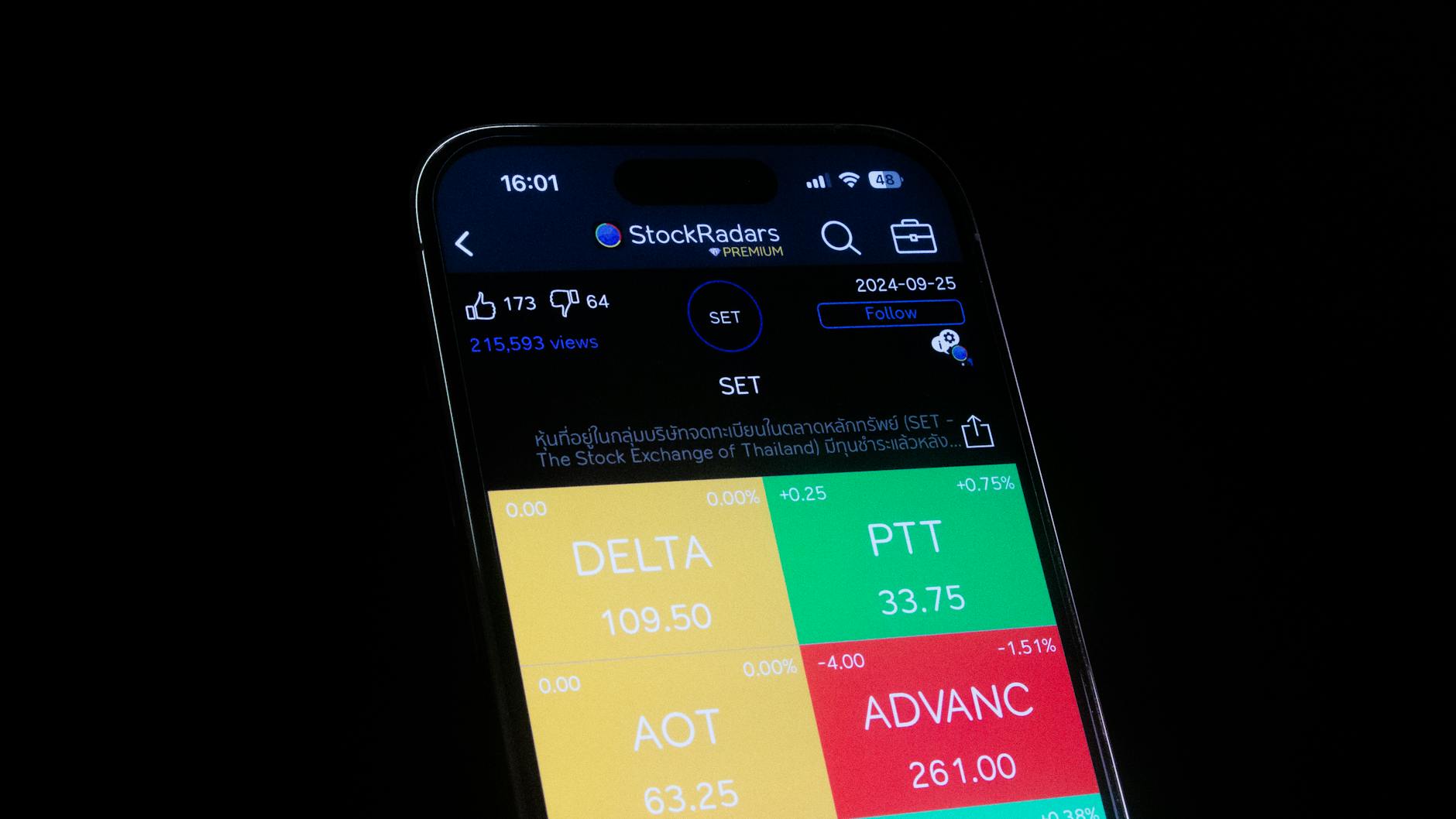
The core advantage of a proprietary trading model is the opportunity for traders to maximize their strategies within a controlled environment that offers significant access to capital. This setup often encourages innovation and disciplined trading practices, which are crucial for sustained success. For individuals interested in starting their own prop firm, understanding the structure, operational workflows, and strategic objectives of these entities is fundamental to establishing a durable business model that can adapt to changing markets.
Researching the Prop Trading Industry
Before embarking on the journey to start your own prop firm, comprehensive research into the overarching industry landscape is essential. This process involves analyzing market trends, understanding the landscape of existing firms, and identifying what distinguishes successful enterprises from less profitable competitors. Gathering insights on typical operational costs, technological requirements, risk profiles, and trader performance metrics provides a solid foundation for informed decision-making.
Investigate the different types of prop firms—ranging from boutique firms focused on niche markets to larger entities with diversified assets. Understanding the various business models helps in shaping your firm’s strategy, particularly when it comes to choosing a niche or adopting a broad-oriented approach. Additionally, gauging industry-wide profit margins, typical trader compensation structures, and common compliance standards allows you to align your firm’s practices with proven standards.
Identifying Key Industry Players and Innovative Trends
- Analyzing the operational models of leading prop firms
- Evaluating emerging trading technologies and platforms
- Understanding evolving regulatory frameworks impacting proprietary trading
- Keeping abreast of developments in trader training and evaluation tools
Thorough industry research reduces the risk of unforeseen challenges and ensures your approach is rooted in verified strategies. This diligence is vital when planning your firm’s growth trajectory and operational scope, especially in a competitive environment that demands innovation and agility.

Understanding Proprietary Trading and Prop Firms
Proprietary trading, commonly known as prop trading, involves a firm using its own capital to trade financial instruments, aiming to generate profit directly for the company. Prop firms function as specialized trading entities that equip skilled traders with the necessary resources, technology, and capital to execute high-volume trades across diverse markets, including equities, commodities, forex, and derivatives.
Starting your own prop firm requires an in-depth understanding of the core components that drive success in this industry. These include risk management protocols, technological infrastructure, trader onboarding processes, and the strategic selection of trading styles and assets. Establishing a firm that can adapt swiftly to market changes, while maintaining consistent performance and adhering to established operational standards, is essential for sustainable growth.
Many successful prop firms operate under a principle of aligning trader incentives with the firm's overall performance. This typically involves revenue-sharing models, profit splits, or fixed salary and bonus structures, designed to motivate traders while ensuring the firm’s profitability. Equally important is fostering a professional environment where traders can develop their skills, access cutting-edge tools, and operate within well-defined risk parameters.

Researching the Prop Trading Industry
Embarking on the journey to establish your prop trading firm begins with meticulous industry research. The landscape of proprietary trading is continuously evolving, influenced by advancements in technology, regulatory shifts, and changing market conditions. Exploring the operational models and success stories of established firms provides invaluable insights into effective practices and potential pitfalls.
Key areas of focus include analyzing different firm structures—boutique firms targeting niche markets versus large diversified entities—and understanding their approaches to trader recruitment, risk management, and technological deployment. Noticing patterns in profitability margins, trader compensation schemes, and compliance standards helps in forming realistic financial forecasts and operational benchmarks.
Staying informed on emerging trends is crucial. Innovations such as advanced algorithmic trading platforms, machine learning tools, and real-time data analytics are shaping the industry's future. Watching how leading firms adapt to regulatory changes and their efforts in trader education and evaluation can help you identify strategic opportunities for your own firm.
Additionally, industry conferences, online forums, and specialized publications serve as excellent sources of information. Building relationships with other industry professionals or consulting with experienced traders can provide practical insights and enhance your understanding of the competitive landscape.

Developing a Business Plan for Your Prop Firm
A comprehensive business plan is the blueprint for your prop firm's success. It delineates your strategic objectives, operational structure, target markets, and financial projections. Your plan should also specify the types of assets you intend to focus on, whether equities, forex, futures, or a combination thereof, and detail your risk management policies.
Operational considerations include choosing the right trading technology, establishing compliance procedures, and defining the trader recruitment and training process. It’s essential to include a detailed analysis of startup costs, ongoing expenses, and revenue streams. Clear performance benchmarks and trading protocols further help in monitoring progress and adjusting strategies as needed.
Like any enterprise, your prop firm will benefit from phased development—starting with a small, core team, and expanding as your operational framework solidifies. During the planning stage, consider the scalability of your infrastructure to support future growth, such as expanding asset classes or increasing the number of traders.
In summation, a well-structured business plan sets the foundation for operational excellence, financial health, and industry adaptability. It guides decision-making processes and provides measurable targets, crucial for navigating the competitive landscape of prop trading.
Establishing Robust Trading Infrastructure
Creating a solid trading infrastructure is vital for the seamless operation of your prop firm. This involves selecting and implementing reliable trading platforms that offer low latency, high stability, and advanced analytical tools. It’s crucial to partner with providers that support custom integrations, enabling you to tailor functionalities to your specific trading strategies and risk management procedures.
Furthermore, securing high-speed, resilient internet connections with backup options mitigates the risk of connectivity interruptions that could impact trading performance. Data security measures, including encryption, firewalls, and regular security audits, protect sensitive client and company information from cyber threats.

Implementing a comprehensive risk management system is equally important. This system should integrate real-time monitoring tools that track trading activity, exposure levels, and compliance with predefined risk parameters. Automated alerts can promptly notify your team about unusual trading patterns or breaches of risk thresholds, allowing swift corrective actions.
Integrating Advanced Technology and Tools
Cutting-edge technology underpins successful prop trading operations. Utilizing algorithmic trading systems and back-testing platforms enables traders to refine their strategies based on historical data. Additionally, predictive analytics and machine learning tools can provide insights into market trends, helping traders make data-driven decisions.
It’s essential to ensure that your technological infrastructure remains adaptable to evolving market conditions and technological advancements. Regular updates, maintenance, and staff training are necessary to maximize system efficiency and mitigate operational risks.
Setting Up Administrative and Operational Protocols
Operational protocols lay the foundation for a disciplined trading environment. Clear procedures for trade approval, reporting, and compliance checks foster consistency and accountability. Establishing internal controls and audit trails ensures adherence to best practices and supports smooth regulatory interactions.
Implement comprehensive onboarding processes for new traders and continuous training programs to enhance their skills and familiarity with your infrastructure. Regular reviews and updates of operational procedures keep your firm aligned with industry standards and emerging trends.
Securing Funding and Capital
Establishing a robust financial foundation is fundamental to starting your own proprietary trading firm. Unlike traditional businesses, a prop firm’s success relies heavily on the available capital to engage in large-scale trades across various asset classes. Securing this initial funding involves a mixture of strategic planning, building investor confidence, and leveraging personal or external financial resources.
One of the primary channels to acquire capital is through personal savings or assets. This demonstrates your commitment and provides a starting point that can be expanded upon through prudent management and reinvestment of trading profits. Besides personal funds, private investors and investment groups can be approached with a compelling business plan that highlights your strategy, risk management procedures, and expected ROI. Building relationships with high-net-worth individuals and trading-focused angel investors can significantly bolster your funding pool.
Institutional funding sources, such as hedge funds or trading pools, may also be pursued once your firm demonstrates consistent performance and sound operational practices. These larger entities often seek firms with a proven track record and a solid technological infrastructure to support scalable trading operations. institutions typically require detailed due diligence processes, including thorough review of trading strategies, risk controls, and compliance protocols.

Additionally, exploring partnerships with financial institutions or brokers that offer trading capital programs can provide a significant boost without requiring extensive upfront capital. Many brokerages offer funding support or co-investment opportunities, particularly to firms that demonstrate disciplined trading practices and regulatory adherence.
To ensure your firm maintains adequate liquidity and can withstand market fluctuations, consider establishing a diversified funding strategy. This approach involves a mix of personal capital, investor funds, broker support, and potentially retained earnings from trading profits. Proper financial planning and management not only facilitate sustained trading activities but also reinforce credibility with stakeholders.
Develop detailed financial projections illustrating your capital requirements, expected trading volumes, profit margins, and risk controls to attract potential investors or partners. Transparency, professionalism, and a clear demonstration of your operational capacity are key to securing and maintaining necessary funding sources.

Securing Capital and Managing Financial Resources
Establishing a robust financial foundation is crucial for the stability and growth of your proprietary trading firm. Unlike traditional businesses, prop firms rely heavily on liquid capital to sustain trading activities, absorb market fluctuations, and capitalize on trading opportunities. Securing and managing these funds effectively requires a strategic approach that balances initial investment with ongoing capital management.
One of the primary options for funding a prop trading firm is personal capital, which demonstrates your commitment and aligns your interests with the firm’s success. However, relying solely on personal funds can limit scalability. Therefore, exploring partnerships with external investors or financial institutions can provide additional capital resources. These partnerships often involve detailed negotiations, clear profit-sharing arrangements, and risk management protocols to ensure mutual profitability and transparency.

Another avenue involves leveraging funding programs offered by brokers and trading platforms. Many brokerage firms support prop traders by providing trading capital through funding schemes, which typically require demonstrating trading proficiency, risk management skills, and compliance with firm policies. These programs often work on profit-sharing models, where traders and the firm share the gains generated from trading activities.
Implementing a diversified funding strategy minimizes risks associated with market volatility and ensures your firm maintains sufficient liquidity during downturns. This can include a mix of personal investments, trader contributed capital, external funding, and profit reserves. Such an approach enhances financial flexibility and operational stability, allowing your firm to adapt swiftly to changing market conditions.
Establishing detailed financial projections is essential to communicate your firm’s growth potential and risk management strategies to prospective investors or partners. These projections should outline capital requirements, anticipated trading volumes, profit margins, and risk controls. Maintaining transparency and professionalism builds credibility and encourages ongoing support from financial backers.
Building and Maintaining an Effective Financial Management System
Effective financial management involves continuous monitoring of cash flow, profit and loss, and overall liquidity. Implementing sophisticated accounting and financial tracking tools ensures accurate reporting and compliance with set policies. Regular audits and risk assessments help identify potential financial vulnerabilities early, allowing for timely adjustments and strategic planning.
Ultimately, sound financial management and diversified funding sources form the backbone of a sustainable prop trading business. Maintaining adequate liquidity not only supports day-to-day trading operations but also provides the agility needed to capitalize on emerging market opportunities while managing risks responsibly.
Starting Your Proprietary Trading Firm: Steps to Operational Success
Establishing Your Business Infrastructure
Once the foundational elements are in place, constructing a robust operational framework becomes crucial. This includes selecting appropriate trading software, establishing secure data management systems, and creating comprehensive risk management protocols. Investing in high-performance trading platforms ensures traders can execute strategies efficiently, while secure data practices protect sensitive information and client details.
Operational protocols should clearly delineate trade execution procedures, risk limits, profit-sharing arrangements, and compliance measures. Setting up a dedicated team for compliance and risk oversight can help maintain adherence to internal policies and external standards. Training staff and traders on these protocols fosters a disciplined trading environment, minimizing operational errors and enhancing consistency.
Technology integration is also vital. Automating administrative tasks such as reporting, account management, and trade audits reduces manual errors and increases transparency. Cloud-based solutions facilitate real-time data access and team collaboration, meaning your prop firm remains agile in responding to market dynamics.

Recruiting and Managing Traders
One of the most significant determinants of your prop firm's success is the caliber of traders you attract. Developing a clear recruitment criterion emphasizing disciplined trading, risk awareness, and proven performance can help identify promising candidates. Conduct thorough interviews and simulation trading assessments to evaluate their strategies and adherence to risk management standards.
Once onboarded, providing continuous education and professional development opportunities encourages traders to refine their skills and align their goals with the firm’s objectives. Establish a mentorship program or peer review system to foster collaboration and shared learning.
Effective management also involves implementing transparent performance monitoring systems. Regular evaluations, detailed feedback, and clear performance metrics motivate traders to maintain high standards while ensuring they understand the risk parameters within which they operate. Establishing a supportive yet disciplined environment encourages traders to remain committed and consistent.
Incentive structures such as profit splits, bonuses, and recognition programs can incentivize high performance and loyalty. Additionally, fostering a culture of integrity and transparency reduces misconduct and aligns trader motivations with the long-term health of your prop firm.